// Reels & content · from what you already said
One recording.Many posts.
You already teach, talk and record: classes, podcasts, talks, voice notes. Send us one and we turn it into reels in your look, captions and a newsletter in your own words, and a carousel. You approve everything before it goes out.
✓ Only your words on screen✓ Your look, not a template✓ Nothing posts without your yes
// [ 01 ] What one recording becomes
One recording
A class, a talk, a podcast episode, a live, or a voice note on your phone. Audio is enough; video gives us more.
Reels
The strongest moments, cut to 20–40 seconds, in one of the looks below.
Captions
A caption for each reel, built from your sentences.
Newsletter
Your next email, drafted from the same recording, in your voice.
Carousel
The idea in slides, for people who read rather than watch.
Quote cards
Single lines worth keeping, set in your type.
Track visuals
For musicians: the short clip that plays behind a song on Spotify.
// [ 02 ] One recording, one week: a demo
Say you start a class by reading Kahlil Gibran’s “On Joy and Sorrow” aloud. That’s 97 seconds. Below is everything that comes back from it. Each piece waits for your yes, and the dashed boxes are the parts only you can add.
The recording
1 min 37 s of audio. Nothing else.
“Your joy is your sorrow unmasked.”
Gibran, The Prophet (1923) · read by a LibriVox volunteer
Two reels
The same 34 seconds in two looks, so you pick.
→ Instagram, TikTokA carousel
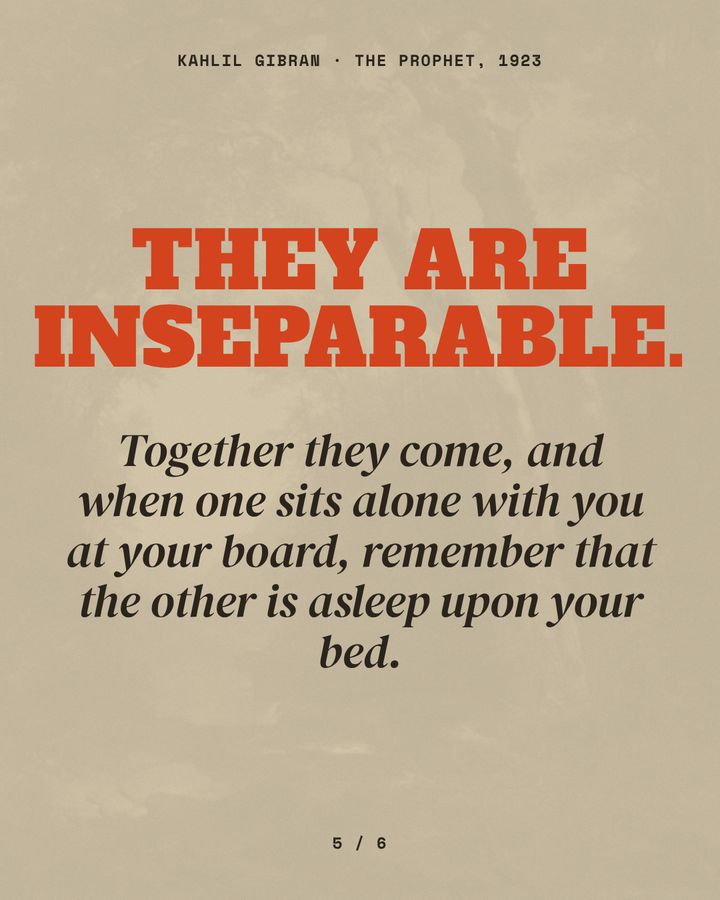
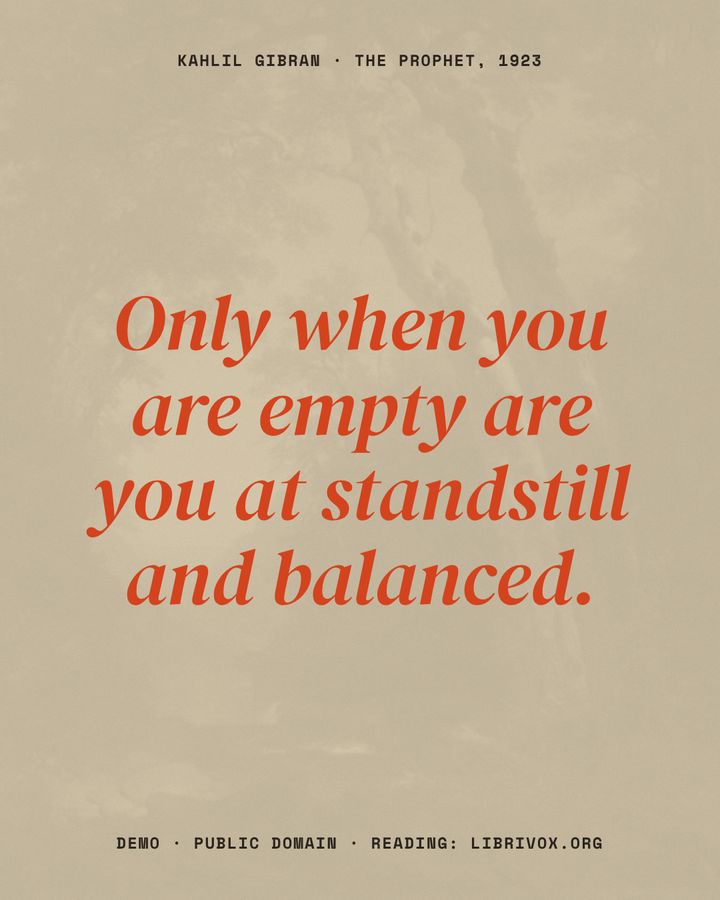
Six slides for people who read rather than watch, in the same look as the reels.
→ Instagram, LinkedIn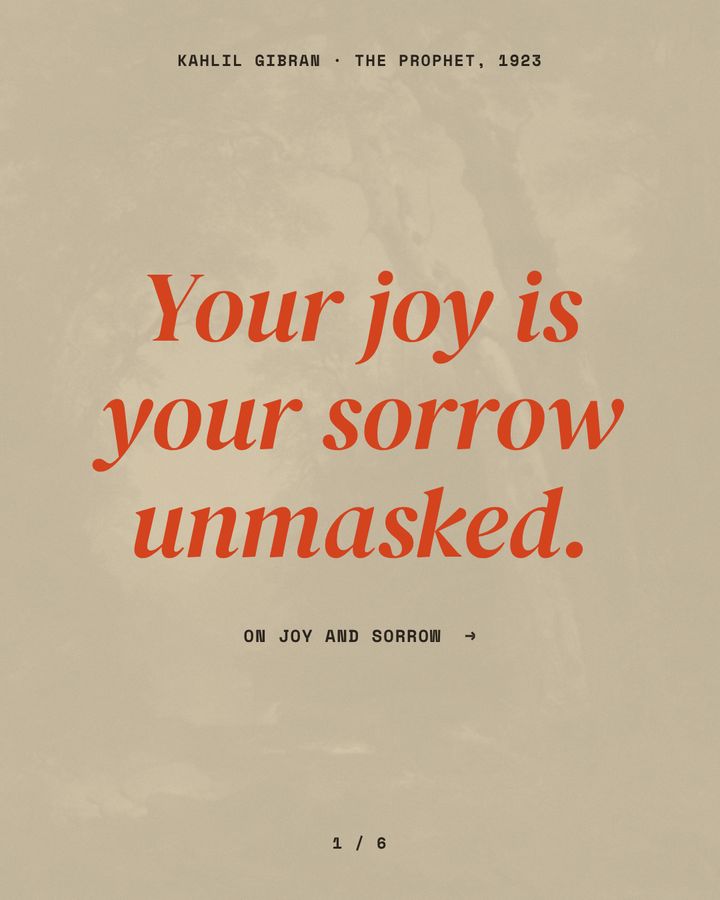
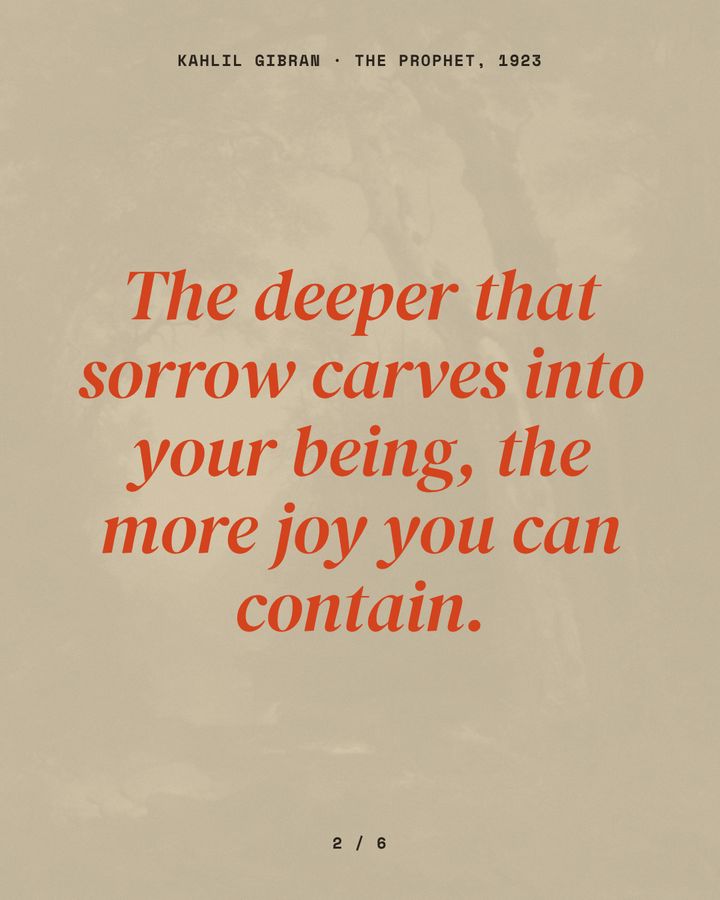
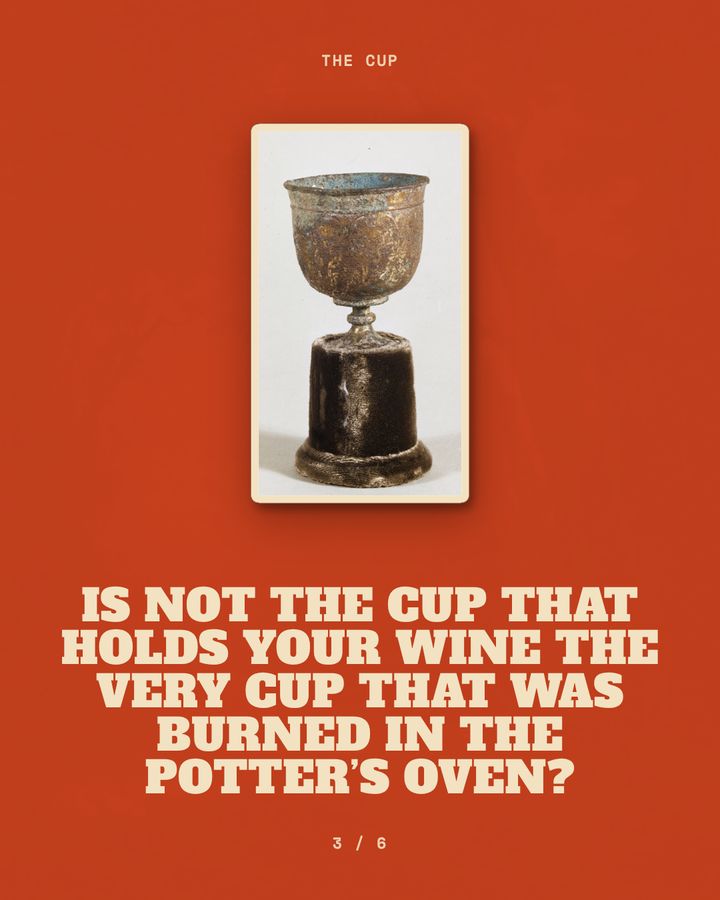
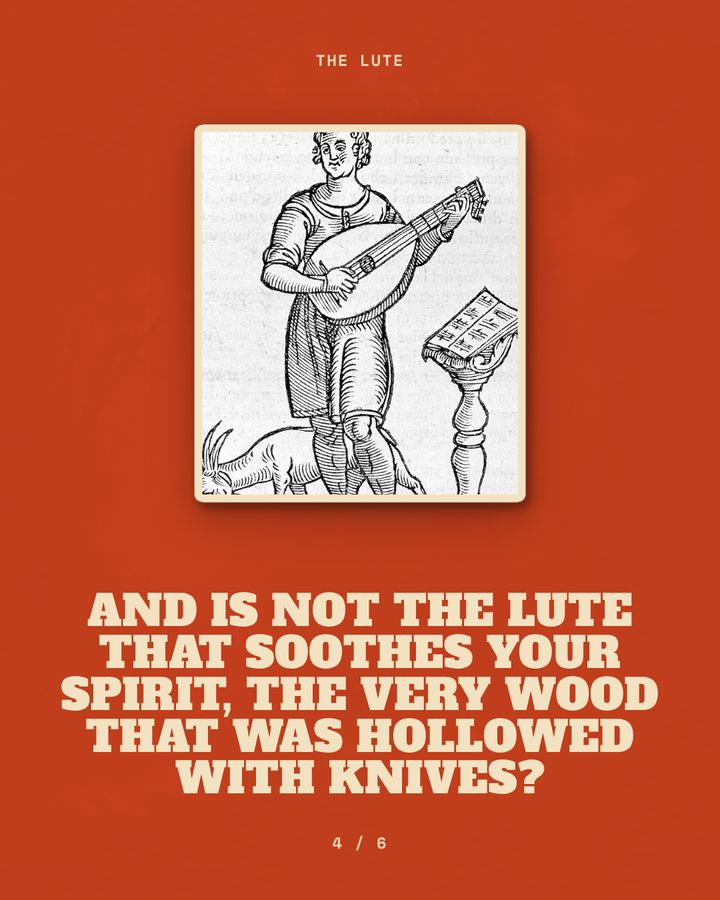
Swipe →
Quote cards
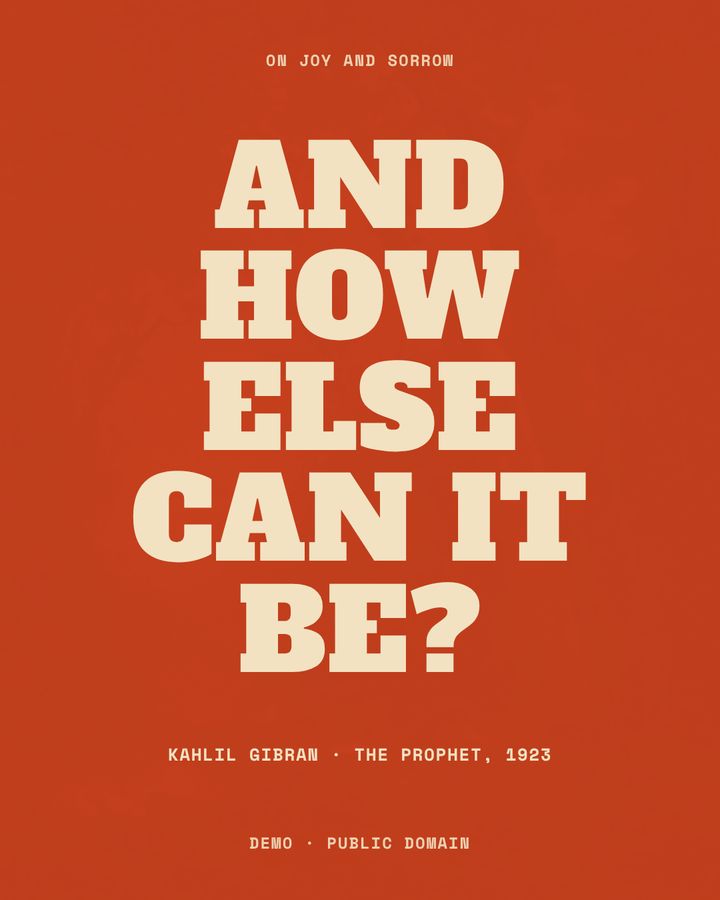
Single lines worth keeping, for the feed or stories.
→ Instagram, stories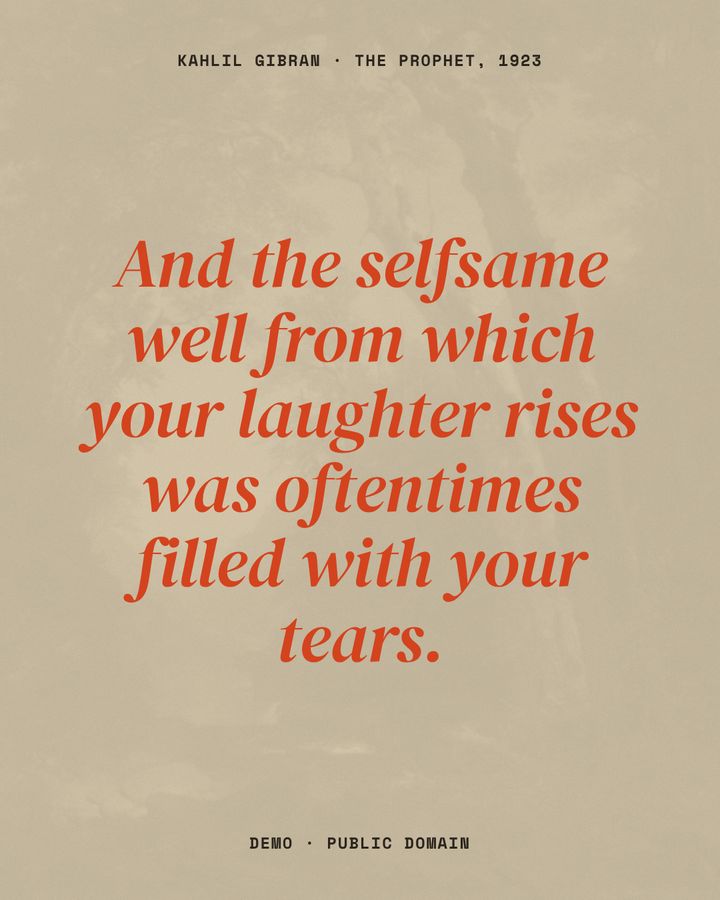
Captions
One for each post, built from the recording’s own sentences.
→ with each postYour joy is your sorrow unmasked. And the selfsame well from which your laughter rises was oftentimes filled with your tears. Kahlil Gibran, “On Joy and Sorrow”
+ You add: one line of yoursSome of you say, “Joy is greater than sorrow,” and others say, “Nay, sorrow is the greater.” Swipe for his answer.
+ You add: where to find youWhen you are sorrowful look again in your heart, and you shall see that in truth you are weeping for that which has been your delight.
+ You add: your next classYour newsletter
Drafted from the same recording. You correct it and add what only you know.
→ your email tool, as a draftHi {first name},
+ You add: your opening lineThis week we read Kahlil Gibran’s “On Joy and Sorrow” aloud. A woman asks him to speak of joy and sorrow, and he answers:
Your joy is your sorrow unmasked.
Then he gives two pictures: the cup that holds your wine was burned in the potter’s oven, and the lute that soothes your spirit was hollowed with knives.
To anyone asking which is greater, he says they can’t be separated:
when one sits alone with you at your board, remember that the other is asleep upon your bed.▸ Listen to the reading · 1:37 + You add: your next class or offer + You add: your sign-off
// [ 03 ] The looks
Open the reel studio → Pick any of 20 styles and watch it play live.
Every reel here was made by our own tools from public-domain recordings (old books read aloud by LibriVox volunteers), so you see the method without seeing anyone's client work. Tap one to watch with sound.
Words
The sentences are the picture. Each word lands as it's spoken; the key words get a card of their own.
Words + pictures
The same, with an old engraving popping up on the words you can see: a cup, a lute, a heart.
Art
Your own artwork or photos, full frame, with clean captions. Quiet, and closest to your feed.
You, talking
When you're on camera: your video cut for the phone, with your words as captions, in your colours.
Your words only
Everything on screen is something you said or wrote. We pick the moments; we don't put words in your mouth.
Pictures you may use
Your own photos and art first. Anything else is public domain or free to use, and we keep the list of where it came from.
You say yes first
We draft, you approve. Nothing is posted or sent without your yes on that piece.
Send us one recording
Tell us where you post and what you're working on. We'll show you what one of your recordings can become.
Sources. Audio: LibriVox recordings, public domain: Kahlil Gibran, The Prophet (1923); Henry David Thoreau, Walden (1854); Paramahansa Yogananda, Autobiography of a Yogi (1946); Swami Vivekananda, "The Ideal of a Universal Religion" (1896). Video: astronaut Nicole Stott in NASA's Down to Earth: A Work of Art (2020), a US government work in the public domain; the music was taken out and only her voice kept. NASA does not endorse Astral Studio. Pictures, public domain or CC0: Asher B. Durand, The Catskills (1859); East Indian lotus and Megata Morikaga's Hasu plates; anatomical heart and lung engravings (1686 and later); a lute woodcut from Ripa's Iconologia; a gilt-bronze cup; a 19th-century magnet engraving. Typefaces: Anton, Alfa Slab One, DM Serif Display, Space Mono, Inter. librivox.org